Triathlon is one of the most demanding endurance sports, combining swimming, cycling, and running into one grueling event. Success in a triathlon isn’t just about training—proper fueling and nutrition can make the difference between finishing strong or hitting the dreaded “wall.”
Why Triathlon Nutrition Matters
During long-duration events, your body relies heavily on carbohydrates, electrolytes, and fluids to maintain energy and performance. Without a solid nutrition strategy:
-
Fatigue sets in faster
-
Muscle cramps and dehydration are more likely
-
Recovery takes longer
Getting your nutrition right ensures your body can sustain high-intensity efforts across all three disciplines.
Key Principles of Triathlon Fueling
1. Carbohydrates: Your Primary Fuel
Carbohydrates are the main energy source during endurance exercise. For triathletes:
-
Training: Consume 30–60g of carbs per hour depending on intensity and duration
-
Race Day: Long events like Ironman may require up to 90g of carbs per hour
-
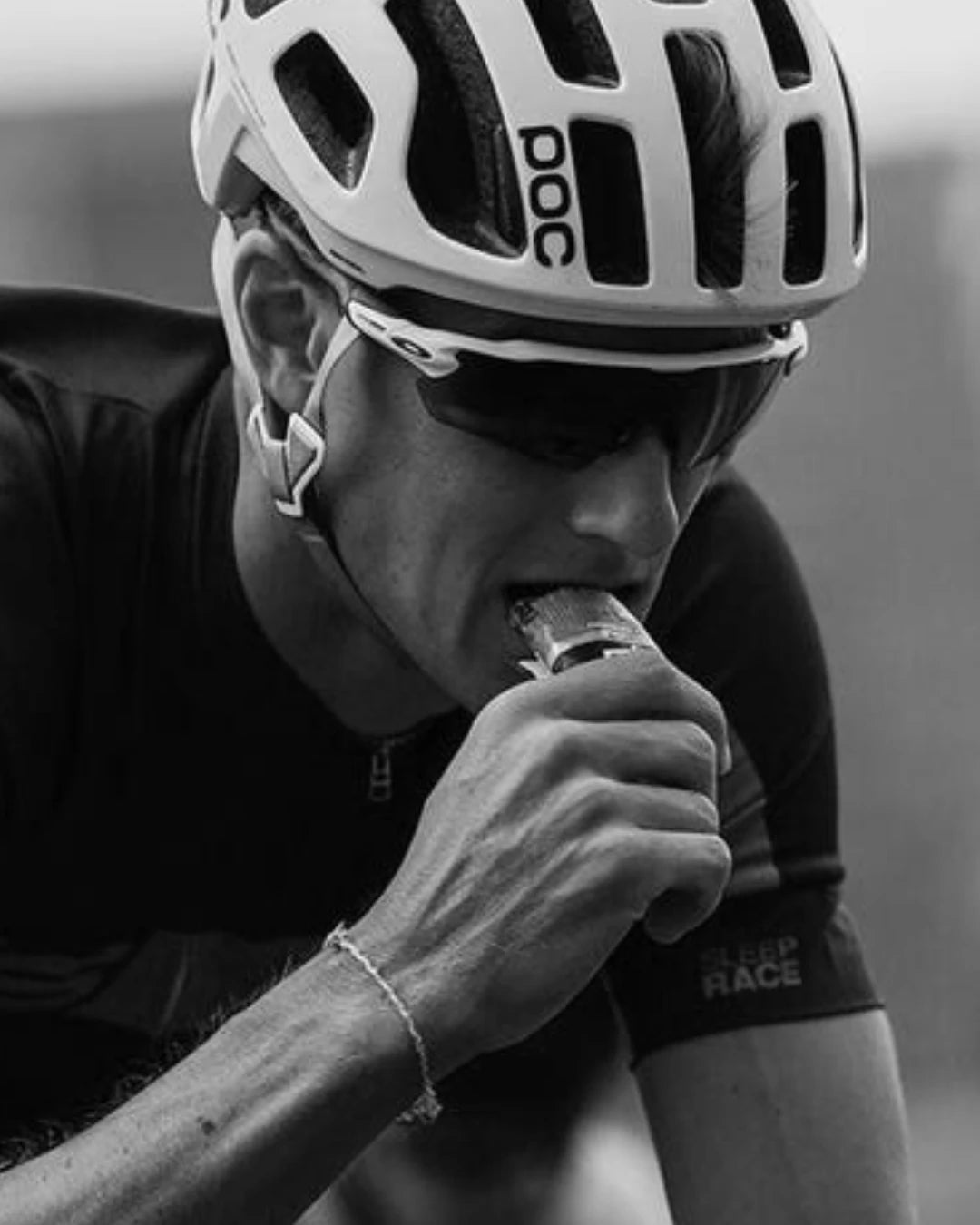
Choose easily digestible sources like energy gels, chews, or drinks
2. Hydration: Maintain Performance and Prevent Cramping
Dehydration reduces performance and increases injury risk. Tips:
-
Drink consistently throughout your event, not just when thirsty
-
Use electrolyte tablets or sports drinks to replace lost salts
-
Adjust intake based on weather conditions and sweat rate
3. Protein: Aid Recovery
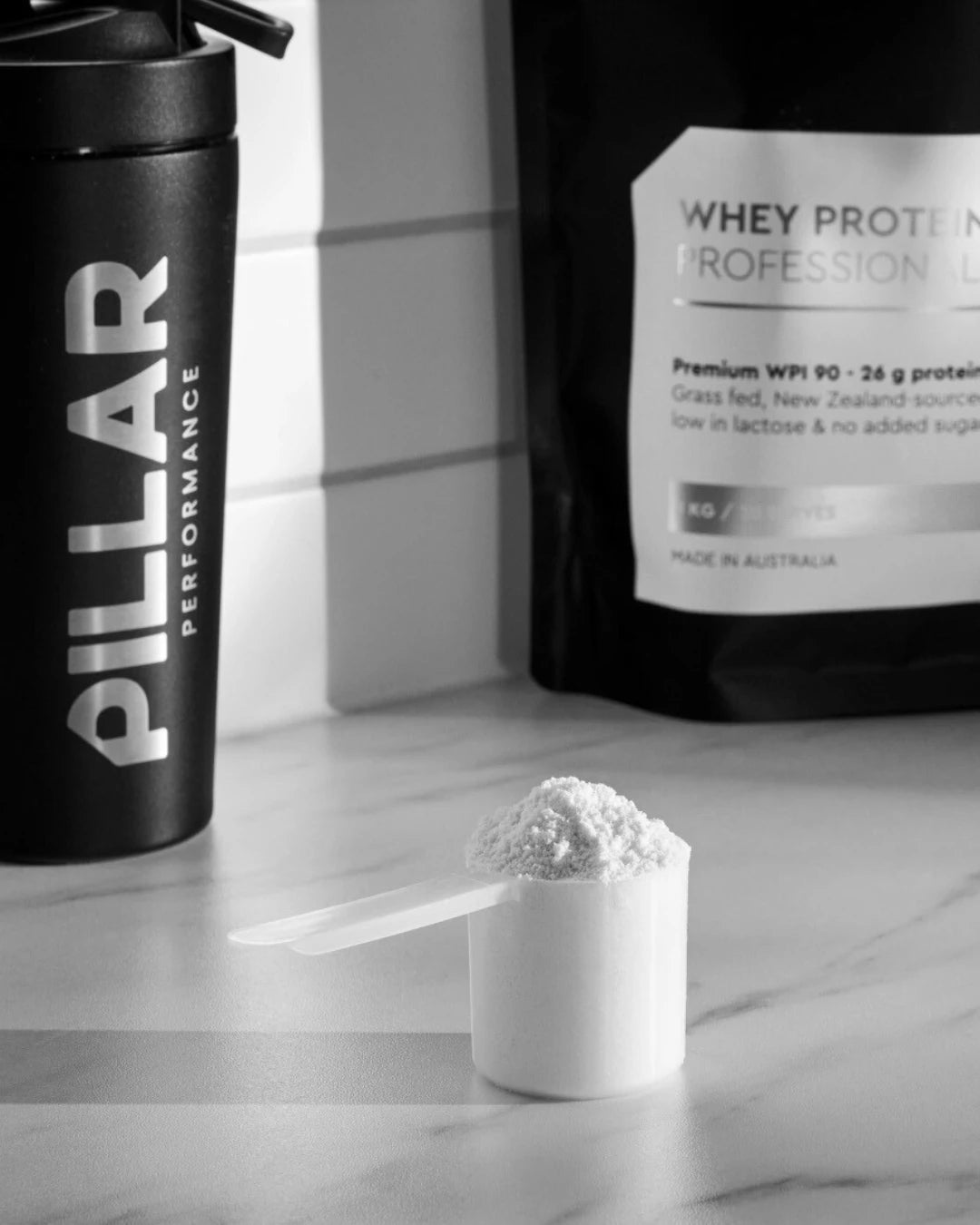
While carbohydrates fuel your workout, protein supports muscle repair and recovery.
-
Include protein in meals post-training or race
-
During longer events, small amounts in recovery drinks can help reduce muscle breakdown
4. Practice Your Fueling Strategy in Training
Never try new foods or supplements on race day. Your body needs time to adapt:
-
Test different gels, bars, and drinks during long sessions
-
Note how your stomach reacts to each product
-
Find a combination that keeps energy levels stable without digestive issues
Recommended Triathlon Nutrition Products
-
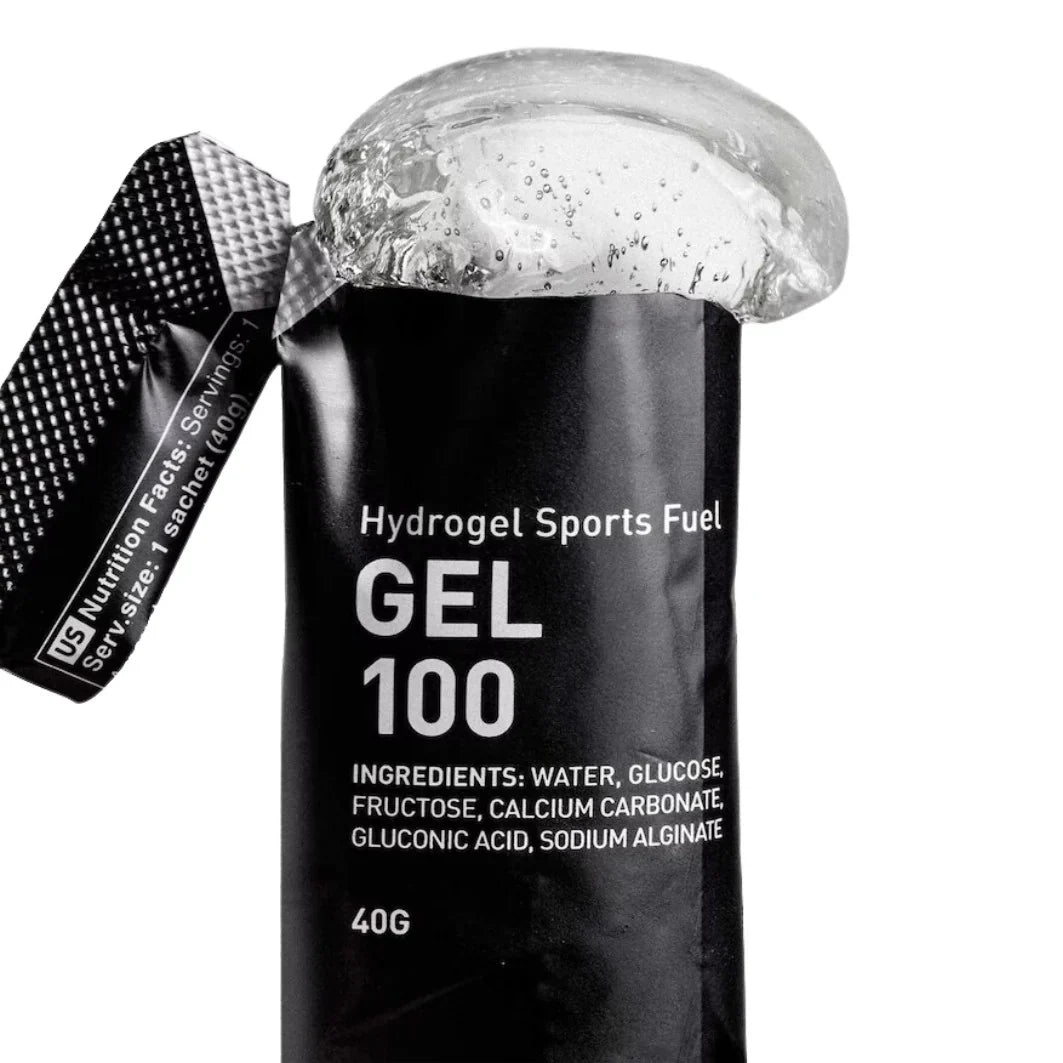
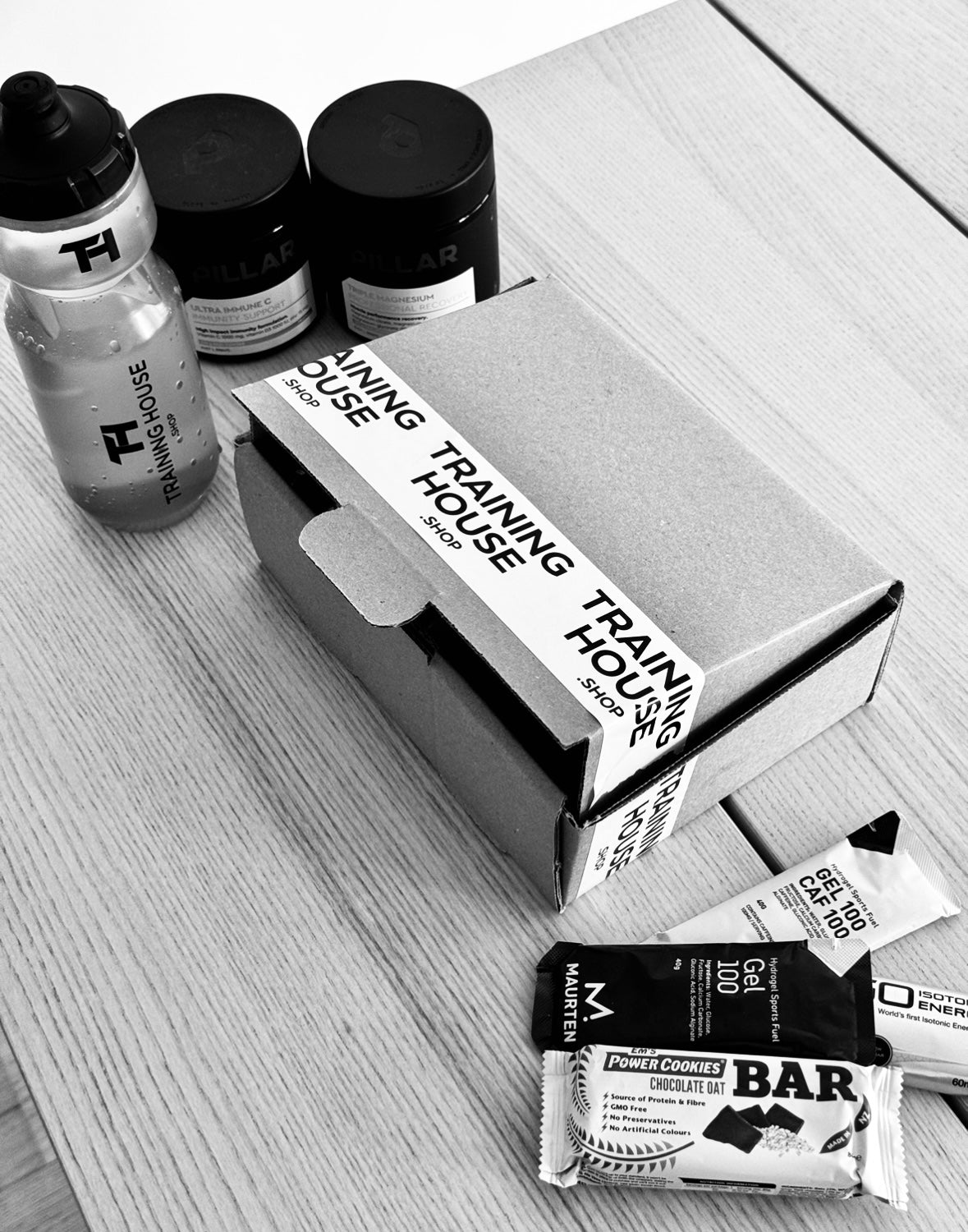
Energy Gels: Fast-absorbing carbs for quick energy (e.g., Maurten Gel 100)
-
Chewable Carbs & Bars: Easy to carry and digest during long rides or runs
-
Electrolytes: Tablets or powders to replace sodium, potassium, magnesium, and calcium lost in sweat
-
Hydration Drinks: Combine water with carbohydrates and electrolytes for optimal absorption
Triathlon Race Day Fueling Strategy
-
Pre-Race: Eat a carb-rich breakfast 2–3 hours before start
-
During the Race: Aim for 30–60g carbs per hour during moderate events; up to 90g for long-distance
-
Post-Race: Consume carbs + protein within 30–60 minutes to kickstart recovery
Final Thoughts
Triathlon is as much about smart nutrition as it is about training. A consistent fueling plan can improve endurance, reduce fatigue, and keep you feeling strong across all three disciplines. Remember: practice makes perfect—train your stomach as well as your muscles.