Training for a triathlon can feel overwhelming at first. Between swimming, cycling, and running, plus managing nutrition, gear, and recovery, it’s easy to feel like there’s too much to think about. But with the right approach, any beginner can successfully prepare for their first triathlon.
1. Start with a Structured Plan
A clear training plan is essential for progress. For beginners:
-
Focus on 3–4 workouts per week, gradually building up time and intensity
-
Include all three disciplines—swimming, cycling, and running—at least once per week
-
Allow recovery days to prevent injury and overtraining
Tip:
Start with a “sprint” distance race (typically 750m swim, 20km bike, 5km run) to get familiar with race-day logistics.
2. Focus on Technique
Good technique improves efficiency and reduces injury risk. Key areas:
-
Swimming: Learn proper breathing, stroke mechanics, and sighting
-
Cycling: Practice bike handling, gear changes, and pedaling efficiency
-
Running: Focus on posture, cadence, and foot strike
Even a small improvement in technique can save energy and make training more enjoyable.
3. Build Gradually
Triathlon training is about gradual progression, not pushing to your limits every day:
-
Increase volume by 10% per week to avoid injury
-
Mix easy, moderate, and hard sessions to build fitness and stamina
-
Use brick workouts (bike followed by run) to prepare your legs for race-day demands
4. Practice Transitions
Transitioning between swim-to-bike (T1) and bike-to-run (T2) is often overlooked. Beginners should:
-
Practice quick transitions in training
-
Get comfortable with changing gear efficiently
-
Familiarize yourself with race-day rules and layout
5. Don’t Forget Nutrition
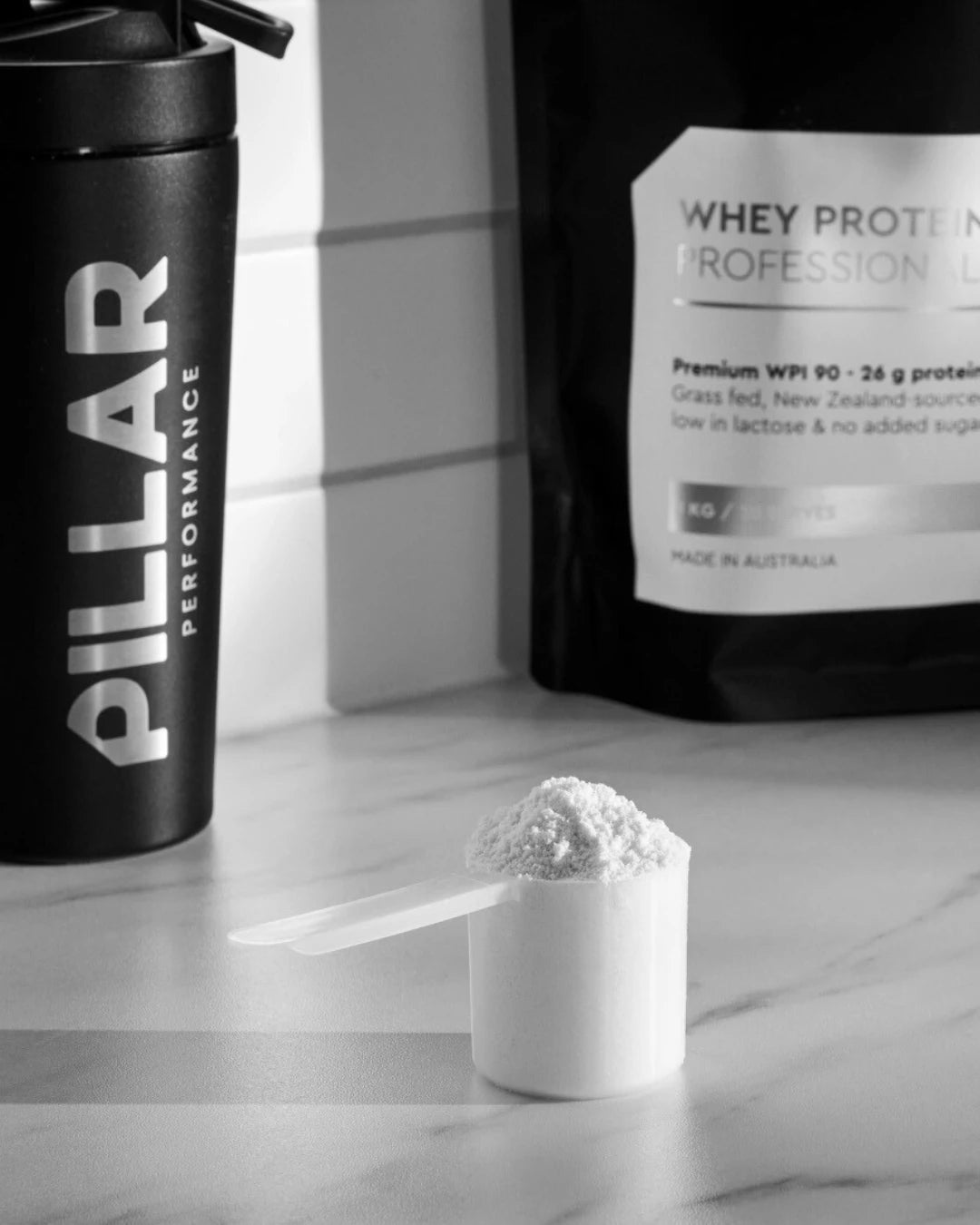
Fueling is critical, even for shorter triathlons:
-
Hydrate before, during, and after training
-
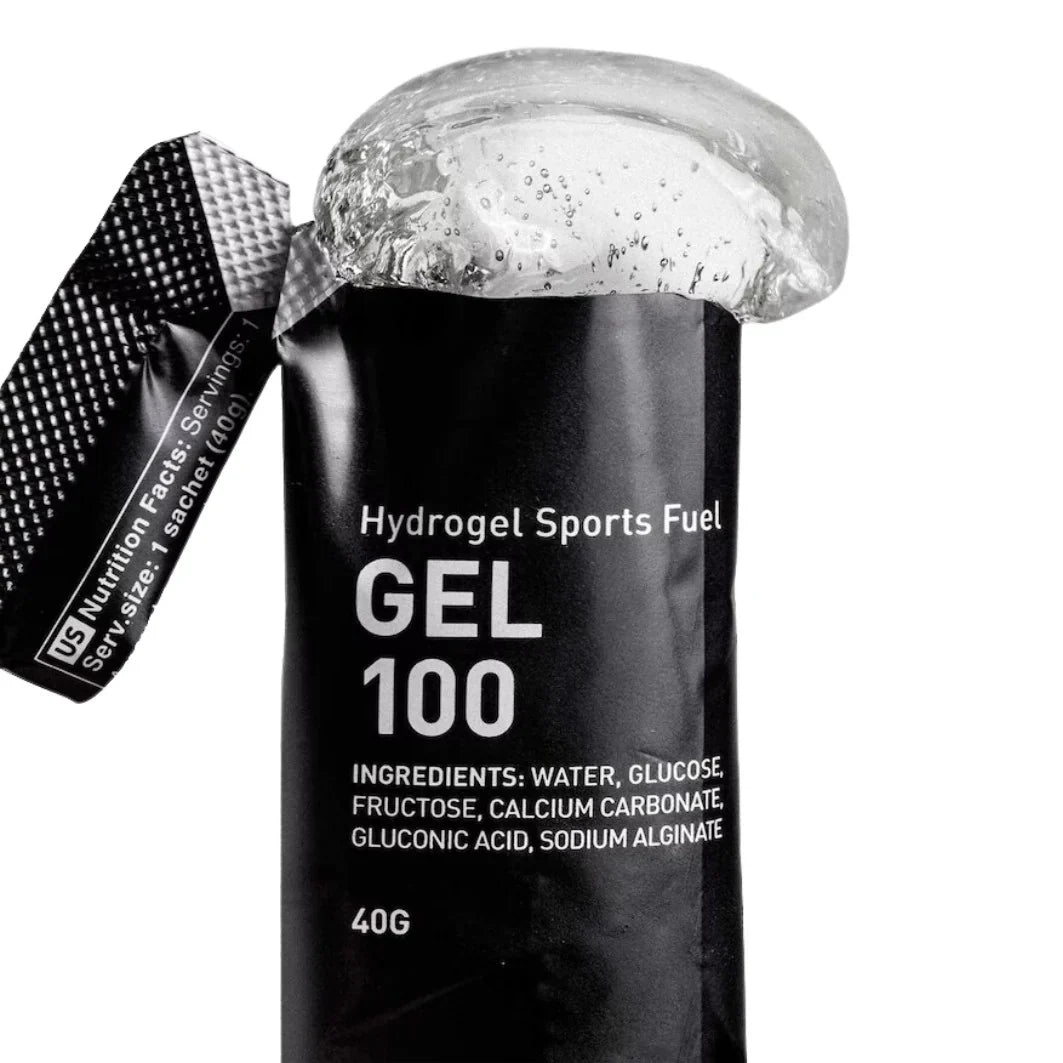
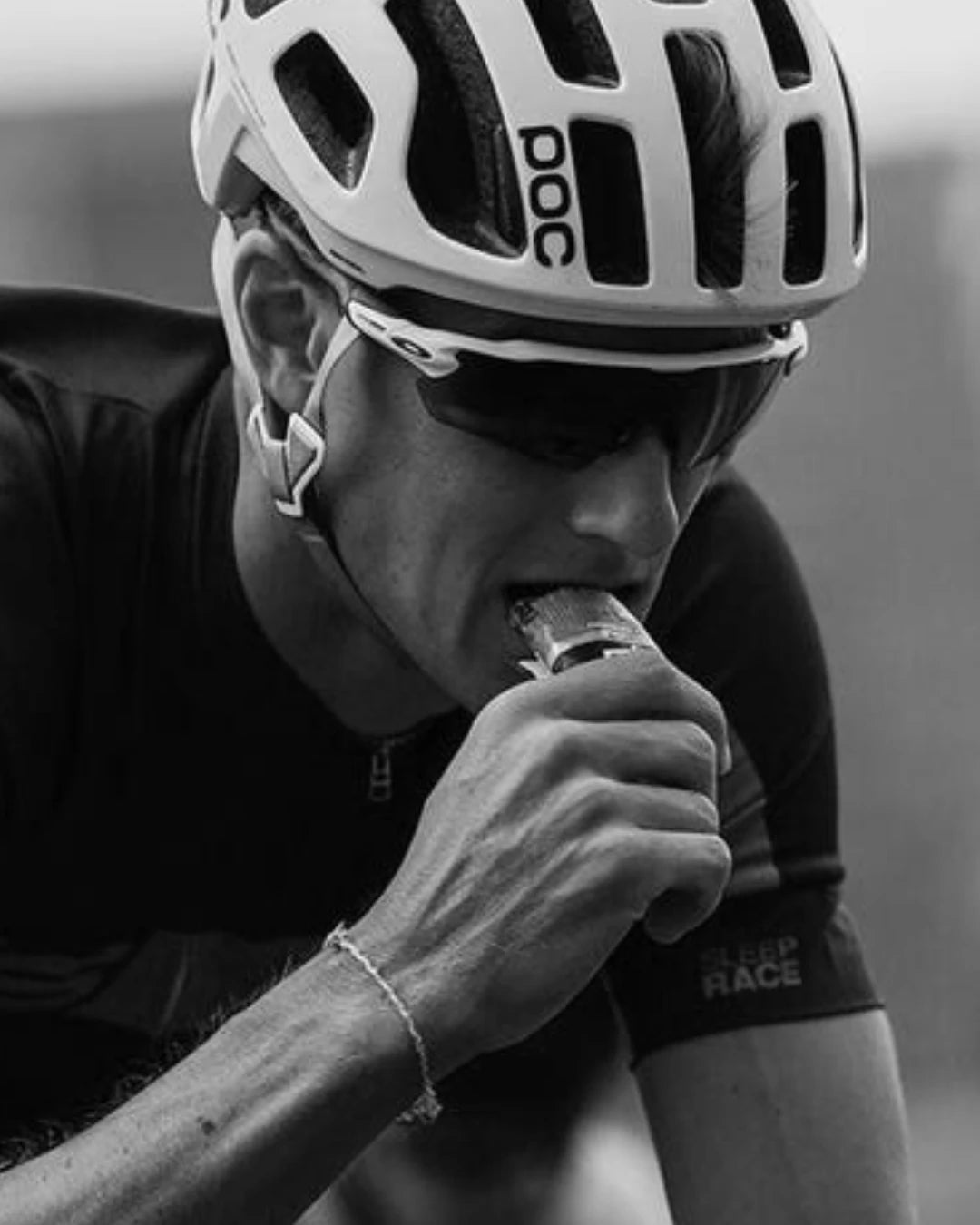
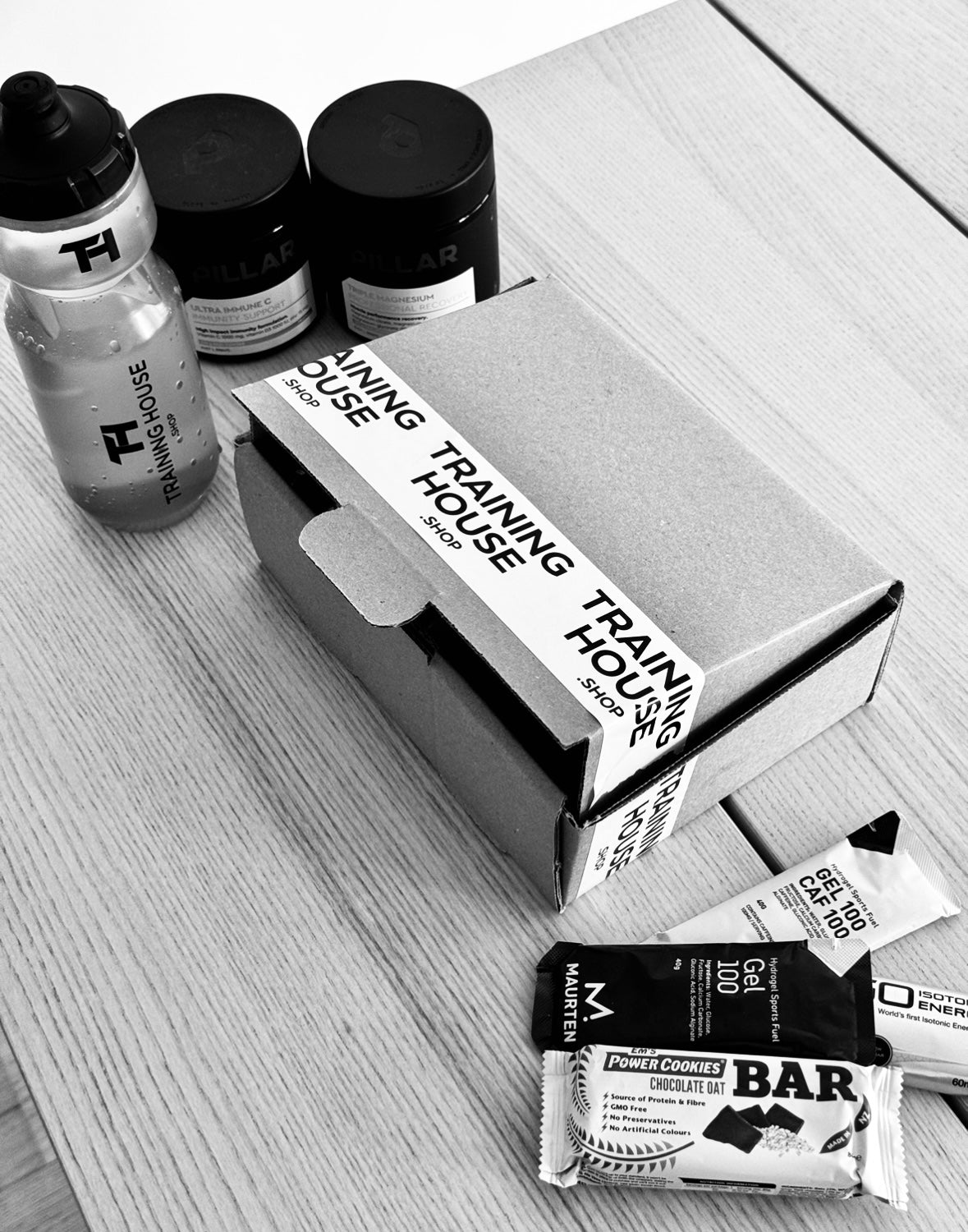
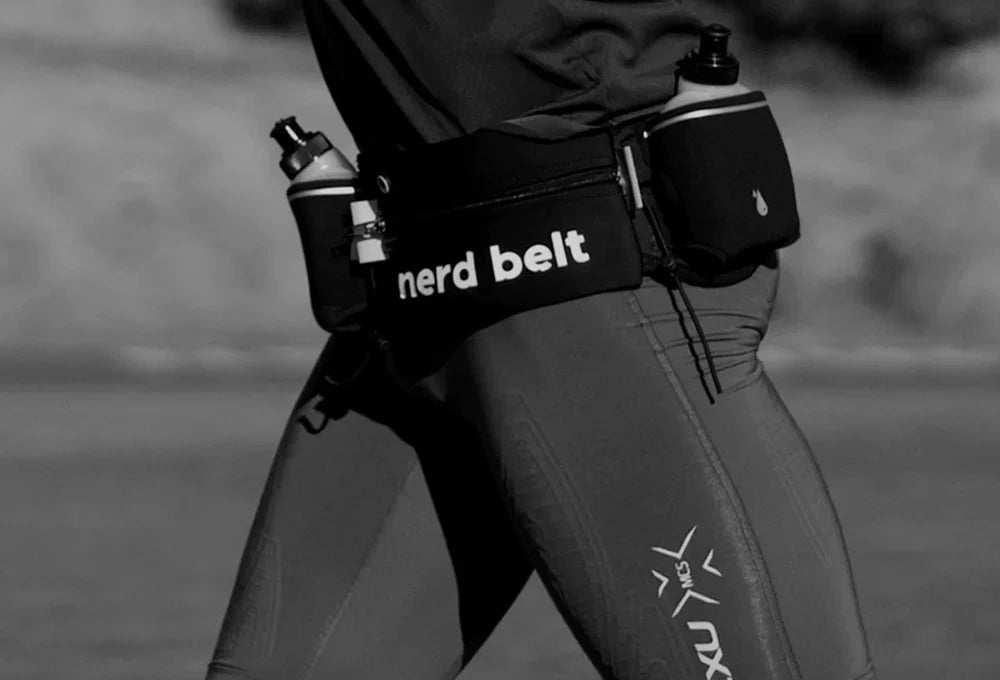
Use carb drinks or gels for longer sessions
-
Experiment in training to find what works for your stomach
6. Listen to Your Body
Overuse injuries are common among beginners. Tips to stay injury-free:
-
Pay attention to pain or persistent soreness
-
Prioritize sleep, recovery, and stretching
-
Adjust training if feeling fatigued or under-recovered
7. Mental Preparation
Triathlon is as much a mental challenge as a physical one:
-
Visualize race-day scenarios and your pacing strategy
-
Set realistic goals—finishing your first triathlon is an achievement
-
Focus on small wins during training to build confidence
8. Gear Matters, But Don’t Overcomplicate
You don’t need the most expensive gear to get started:
-
A reliable bike, running shoes, and swimwear are sufficient
-
Gradually upgrade as experience grows
-
Practice with your race-day gear in training
Final Thoughts
Starting triathlon training can seem intimidating, but breaking it down into structured training, gradual progression, technique work, and smart fueling makes it manageable. Remember, the goal of your first triathlon is to finish confidently and enjoy the experience. Every workout is a step toward achieving that finish line.